A solar hot water system in Australia sits around $3,000 to $10,000 installed. Prices can vary depending on the size of your household, type of system installed, the complexity of the installation, and the available government incentives in your area.
Hot water specialists explain, “focusing solely on the upfront price can be misleading.” A quality solar hot water system is a long-term investment that can reduce household energy consumption, lower utility bills, and provide reliable hot water for many years.
In this guide, we’ll break down the average costs of solar hot water systems in Australia, explain what influences pricing, discuss rebates and savings.
Solar Hot Water Installation Cost Breakdown
Unlike traditional electric systems that continue consuming large amounts of energy, solar hot water systems use free energy from the sun to heat water. While installation costs are higher, many homeowners recover a portion of that investment through lower energy bills.
Average Installed Costs
| Set Up | Installed Cost |
| Small household (1–2 people) | $3,000–$5,000 |
| Medium household (3–4 people) | $4,000–$7,000 |
| Large household (5+ people) | $6,000–$10,000+ |
| Premium systems | $7,000–$12,000+ |
These figures generally include:
→ Solar collectors
→ Storage tank
→ Booster system
→ Installation labour
→ Standard plumbing connections
Homes with difficult roof access, older plumbing systems, or complex installation requirements may incur additional costs. For the most accurate price, book an on-site inspection so a specialist can assess your household needs and installation conditions.
What Affects Solar Hot Water Costs?
Homeowners are often surprised when they receive different quotes from different installers. In most cases, the price difference is shaped by several factors that directly affect system performance and installation complexity.
Understanding these factors can help you compare quotes more effectively and avoid making decisions based solely on price.
Household Size and Water Usage
Hot water demand is one of the first things an installer will assess. Daily shower habits, laundry use, kitchen demand, and the number of people living in the home all help determine the right storage capacity and collector support.
For example:
- A couple generally require a smaller storage tank.
- A family of four often requires a medium-capacity system.
- Large households need higher-capacity tanks and larger collector arrays.
An undersized system can struggle to meet daily hot water demand, while an oversized system can add unnecessary upfront cost.
Collector Technology
The type of solar collector can affect both the upfront price and long-term system performance. In simple terms, collectors are the roof-mounted components that capture solar energy and transfer heat to your hot water system.
Flat Plate Collectors: more affordable and well suited to warm climates.
Evacuated Tube Collectors: more expensive, but offer stronger heat retention.
For many Brisbane homes, flat plate collectors are a practical and cost-effective option. Evacuated tube collectors are worth considering when stronger performance is the priority.
Installation Complexity
Installation costs can change from one home to another, even when the same system is being installed. A simple setup is more affordable, while a more complex installation requires extra time, labour, and planning. Installation costs can increase when a property has:
→ Limited roof access
→ Multi-storey construction
→ Long pipe runs
→ Roof reinforcement requirements
→ Electrical upgrades
This is why professional site inspections remain one of the most important steps before choosing a system. It allows the installer to check the area before giving a more accurate quote.
Government Rebates and Incentives
One of the biggest advantages of installing solar hot water is the availability of government-backed incentives. These programs encourage homeowners to adopt energy-efficient technologies and reduce overall energy consumption. Many eligible systems qualify for:
→ Small-scale Technology Certificates (STCs)
→ State-based energy efficiency incentives
→ Local rebate programs, where available
Incentive programs can change over time, so homeowners should always verify current eligibility requirements before purchasing a system. A qualified installer can explain which rebates may apply to your property and include estimated savings within the quotation process.
How Much Can You Save with Solar Hot Water?
While the upfront cost can be higher than a standard electric or gas system, many households save around $300–$800 per year, depending on hot water usage, energy prices, and system performance.
| Savings Factor | Impact on Savings |
| Household size | Higher hot water usage has more energy costs to offset, which can increase potential savings. |
| Solar exposure | Sunnier regions can support stronger system performance. |
| Energy prices | Higher electricity or gas rates can improve payback value. |
| System efficiency | Better-performing systems can reduce running costs. |
Over a 10- to 15-year period, these savings can add up to several thousand dollars. While homeowners often focus on installation costs, ongoing operating costs are equally important when evaluating overall value.
How Long Does a Solar Hot Water System Last?
A solar hot water system is designed to provide reliable service for many years. While lifespan varies between manufacturers and system types, quality installations commonly achieve:
→ 10–20 years for storage tanks
→ 15–25 years for collectors
→ Long service life with routine maintenance
Regular servicing helps maintain efficiency, identify potential issues early, protect your investment, and maximise long-term system performance.
Hiring a Solar Hot Water Installer: What to Check
A premium equipment can underperform if it is incorrectly sized or improperly installed. When comparing providers, homeowners should look for:
✓ Licensed and insured professionals
✓ Experience with solar hot water installations
✓ Transparent quotations
✓ Strong warranty support
✓ Positive customer feedback
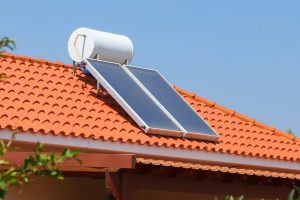
A roof-mounted solar hot water system professionally installed by a solar hot water plumber. Photo: S&J Hot Water Brisbane
A reputable installer will take the time to assess your property’s requirements, explain available options, and recommend a solution based on your household’s actual hot water usage.
Should You Invest in Solar Hot Water?
For many Queensland homeowners, solar hot water remains a practical and worthwhile investment. The state’s strong sunshine supports efficient solar energy collection throughout much of the year, which can reduce booster use and improve long-term savings. With the right system, professional installation, and available incentives, solar hot water can be a smart way to lower running costs and improve household efficiency in 2026 and beyond.